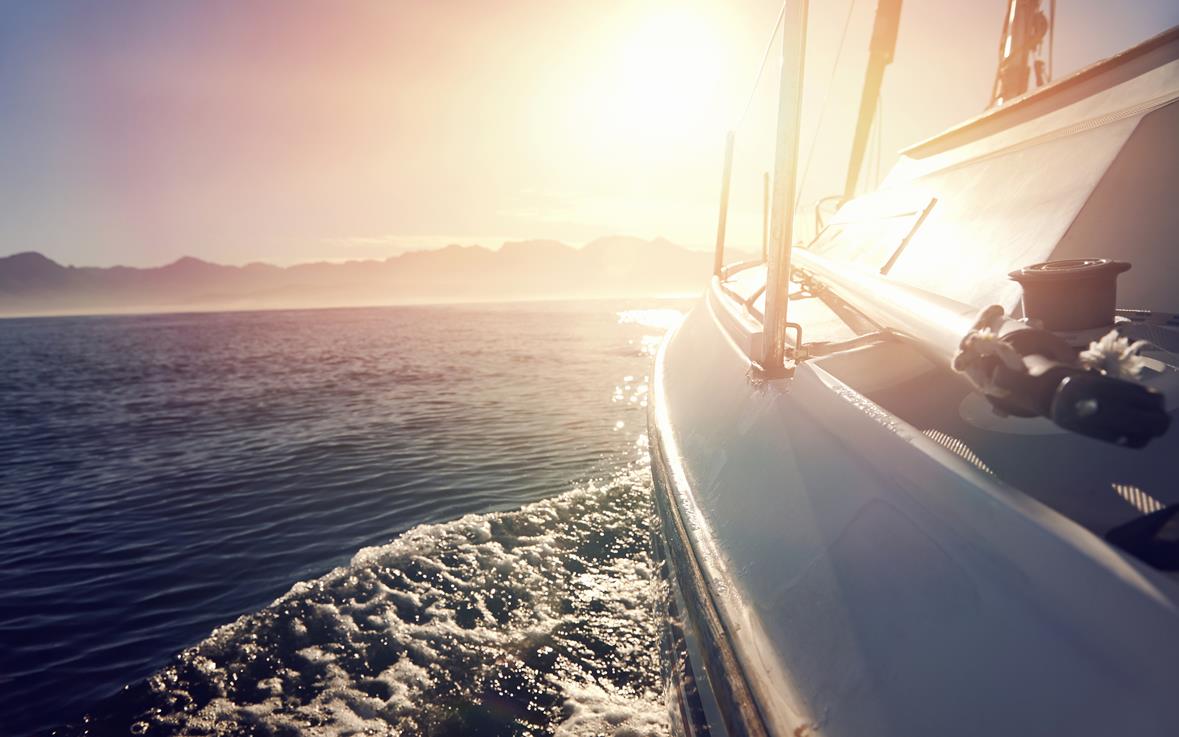
Mange drømmer om late sommerdager på sjøen, i egen båt, men å kjøpe seg egen båt koster mye penger. Det er selvsagt ikke gratis å låne penger, men mange velger allikevel å lånefinansiere båtkjøpet frem for å spare opp penger først.
Båtlån eller forbrukslån
I de fleste tilfeller vil det være mye rimeligere å ta opp et lån med pant i båten, enn å gå for et usikret forbrukslån som brukes til kjøp av båt. Det finnes flere banker på det norske markedet som tilbyr lån til båt, med dagens rentenivå stort sett med en effektiv rente på 6-7%.
De fleste båtlån krever at du har minimum 20% egenkapital, men for å oppnå beste rente må du kunne betale 35% av kjøpsprisen kontant. Det skilles normalt på båter over og under syv meter, der lån med pant i de mindre båtene normalt har en marginalt høyere rente. Noen lån stiller som en forutsetning at du har kaskoforsikring på båten det tas pant i, men dette gjelder ikke alle banker, så sjekk betingelsene på lånet nøye.
Kjøper du ny båt fra forhandler er det normalt aldri noe problem for banken å ta pant i båten, og de vil ikke stille spørsmål ved kjøpsprisen eller verdien på båten. Kjøper du derimot båten brukt fra en privatperson, bør du kontakte banken før du signerer kjøpsavtalen. Banken vil da foreta en verdivurdering av båten og basert på dette beregne hvor stort et beløp de er villige til å låne deg.
Har du ikke penger på bok til å dekke egenkapitalkravet på et båtlån, kan et alternativ være å låne denne delen via et forbrukslån uten sikkerhet og ta opp resten av kjøpesummen som et båtlån. På denne måten kan du lånefinansiere 100% av kjøpsprisen, men du får en betydelig lavere rente på størsteparten av kjøpesummen, enn om du hadde finansiert hele summen med et forbrukslån.
Spare opp til kjøp av båt
Hvor lenge trenger man egentlig å spare for å kunne spare opp til kjøp av båt? Dette er selvsagt helt avhengig av hvor mye du klarer å spare i måneden og hvor dyr båt du ønsker å kjøpe, men vi skal her se på et tenkt eksempel.
Hvis vi tar utgangspunkt i en relativt nøktern båt med en kjøpspris på 250.000kr. Og et månedlig sparebeløp på 5000kr. Krever det ikke mye mattekunnskaper å regne ut at man klarer å spare 60.000kr. I året og at det derfor vil ta fire år og to måneder å spare opp nok penger til å kjøpe drømmebåten. I dagens marked får man omtrent ikke renteinntekter på vanlige bankinnskudd, og det lille man oppnår vil knapt dekke inflasjonen, så vi kan av praktiske årsaker holde dette utenfor regnestykket.
Hvis vi derimot ikke ønsker å betale hele kjøpsprisen kontant, men velger å lånefinansiere 65%, hvilket vil si vi trenger 35% egenkapital, tilsvarende 87.500kr, må vi spare i ca. Halvannet år for å ha tilstrekkelig kontanter til å dekke egenkapitalen på båten. Med denne egenkapitalen vil du måtte låne omtrent 162.500kr. For å kunne kjøpe båten. Hvis vi forutsetter at du, etter at du har tatt opp lånet og kjøpt båten, kan betale samme beløpet i avdrag som du tidligere sparte opp hver måned, altså 5.000kr., vil du kunne nedbetale lånet på rett rundt 3 år, og lånet vil ha en totalkostnad på ca. 20.000kr, med dagens rentebetingelser.
Som vi ser av regnestykket over, vil du hvis du lånefinansierer 65% av kjøpesummen, ha nedbetalt lånet omtrent samtidig som tidspunktet du hadde klart å spare opp hele kjøpesummen (fire måneder senere for å være helt nøyaktig). Du vil med andre ord kunne nyte godt av avslappende dager på sjøen, mer enn to og et halvt år tidligere hvis du lånefinansierer kjøpet enn om du velger å spare opp hele kjøpesummen først, og samtidig sitte uten gjeld i båten omtrent på samme tidspunkt som du hadde hatt råd til å kjøpe båten ved full oppsparing. Dette vil koste deg ca. 20.000kr. I kredittomkostninger og regnestykket er selvsagt basert på at du klarer å betale et avdrag hver måned som tilsvarer beløpet du ellers hadde klart å spare opp.
 Banker for smålån